Fda Fentanyl Patch Regarding Safety Transdermal Use Warning
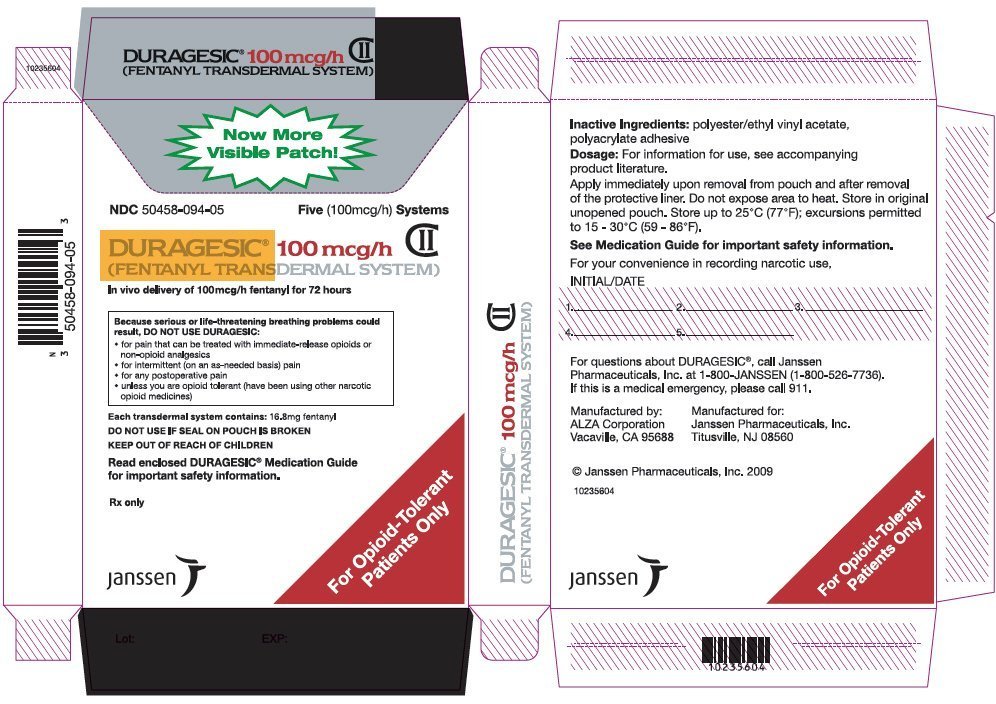
Posted By admin On 27/02/18Recommendations regarding the use of Fentanyl Transdermal system in. The safety of Fentanyl Transdermal system was. (FDA) Fentanyl Novaplus Patch. Safety alert(s) for fentanyl issued. Warning - FDA] Fentanyl Transdermal. And the safe use of the fentanyl transdermal system (patch). FDA previously issued a. Errors Using Transdermal Patches FDA Patient Safety News video Safe Use Initiative: Fentanyl Transdermal System “Patches”: Safe Disposal.
Opioids continue to be first-line pharmacotherapy for patients suffering from cancer pain. Unfortunately, subtherapeutic dosage prescribing of pain medications remains common, and many cancer patients continue to suffer and experience diminished quality of life. A large variety of therapeutic options are available for cancer pain patients. Analgesic pharmacotherapy is based on the patient’s self-report of pain intensity and should be tailored to meet the requirements of each individual. Most, if not all, cancer pain patients will ultimately require modifications in their opioid pharmacotherapy. When changes in a patient’s medication regimen are needed, adequate pain control is best maintained through appropriate dosage conversion, scheduling immediate release medication for withdrawal prevention, and providing as needed dosing for breakthrough pain.
Transdermal opioids are noninvasive, cause less constipation and sedation when compared to oral opioids, and may improve patient compliance. A relative potency of 100:1 is recommended when converting the patient from oral morphine to transdermal fentanyl. Based on the limited data available, there is significant interpatient variability with transdermal buprenorphine and equipotency recommendations from oral morphine of 75:1–110:1 have been suggested. Javascript Quiz Game Script on this page. Kiniro No Corda Visual Novel. Cancer patients may require larger transdermal buprenorphine doses to control their pain and may respond better to a more aggressive 75–100:1 potency ratio.
This review outlines the prescribing of transdermal fentanyl and transdermal buprenorphine including how to safely and effectively convert to and use them for those with cancer pain. Introduction Opioids continue to be mainstay pharmacotherapy for moderate-to-severe cancer pain.
A substantial amount of uncontrolled pain continues to be reported in at least 33% of newly diagnosed cancer patients, and in 65%–85% of those with metastatic disease., A wide variety of pharmacotherapy options are currently available to manage cancer pain. Unfortunately, many experience subtherapeutic levels and continue to suffer from inadequate pain control.– Patients who worry about exacerbations of their pain with ambulation often hesitate in participating in daily activities.
TD-Os’ place in therapy TD-Os are considered a WHO Pain Ladder Step III choice (opioids for moderate to severe pain)., TD-O administration provides a slow and steady increase in opiate plasma levels, extended half-lives of several days, and a long latent period before full pharmacologic effects are achieved. Phpwcms Templates more. Converting to TD-Os When substituting one opioid for another, it is important to utilize safe and effective conversion ratios.– Dosage calculation errors can result in under- or over-dosing, undue distress in the patient, therapy failure, non-adherence, and/or discontinuance. Unfortunately, intrapatient variability and incomplete cross-tolerance have contributed to the lack of a consensus guideline on opioid equianalgesic dosing.
Historically, a conversion ratio of 6:1 has been used for pain to substitute between PO and intravenous (IV) morphine. The 6:1 ratio was derived from acute repeated crossover administration (also called “relative potency assays”) and has since been found to be inadequate for cancer pain., A ratio of 3:1 (PO to IV morphine) has been shown to be more effective and the most often utilized to relieve cancer pain.– Practical equianalgesic dosing ratios were derived from randomized controlled trials (RCTs) that compared the efficacy of two opioid medications or from observational case series describing opioid substitution during chronic administration.